
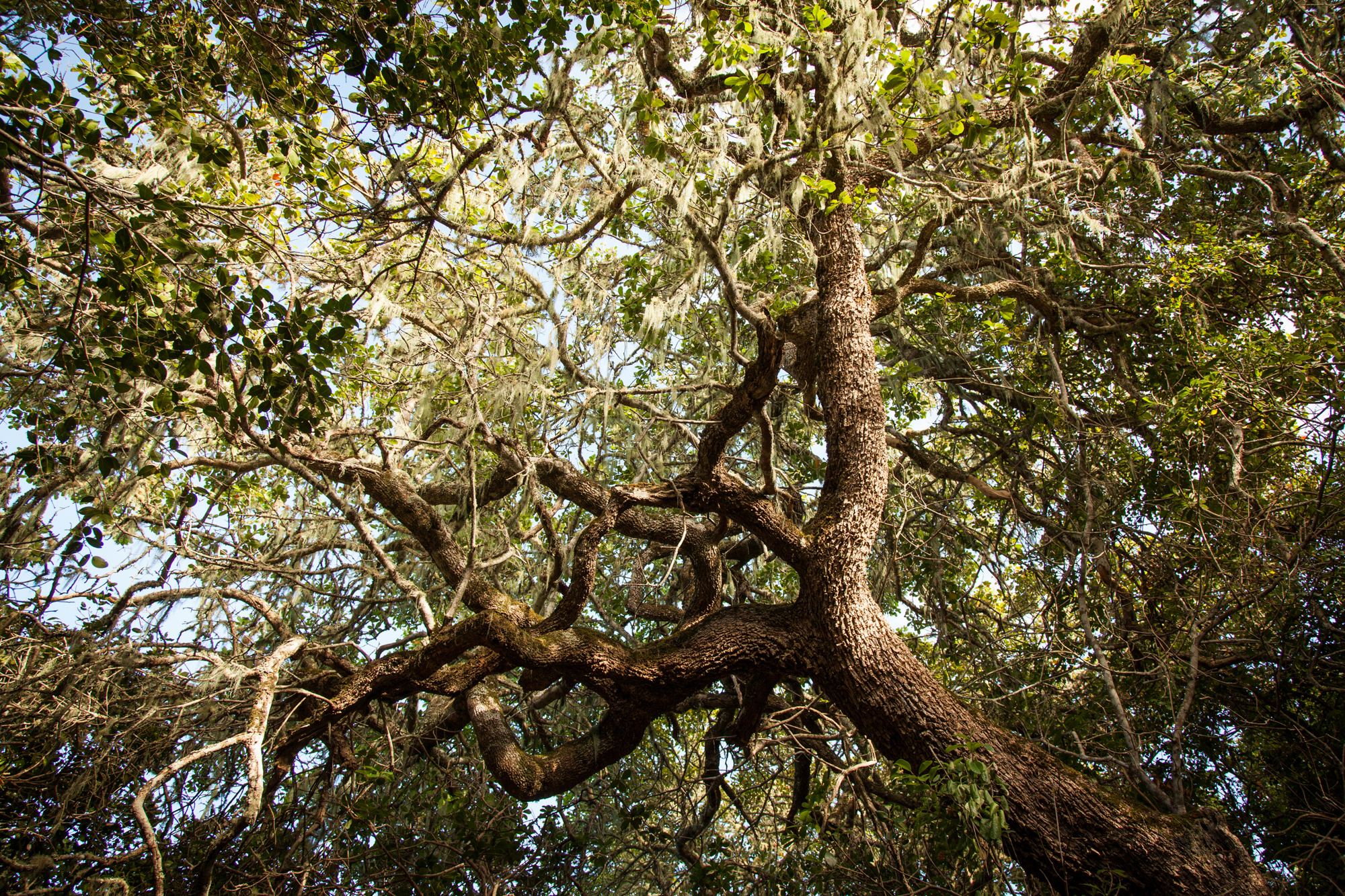
The Hidden Diversity of Milkwood Forests
A Milkwood forest may look like a collection of similar trees, but appearances can be deceiving. We still don't know how many genetically distinct individuals make up a single forest, or whether some are naturally better adapted to drought, heat and other environmental stresses. Unlocking these hidden differences could be key to conserving South Africa's iconic coastal forests in a changing climate.
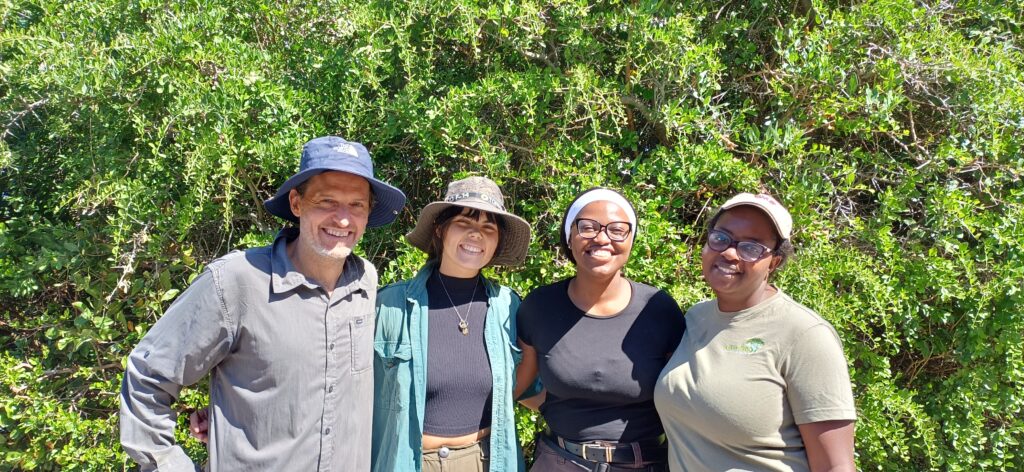
Prof. Jasper Slingsby, Tallulah Glasby, Lindelwa Hlubi and Happiness Baloyi
Grootbos Foundation is proud to support researchers from the University of Cape Town and Nelson Mandela University as they explore these questions. PhD candidate Tallulah Glasby, supervised by Prof. Jasper Slingsby and Prof. Alastair Potts, is combining genetic analysis with advanced hyperspectral imaging to uncover the genetic diversity hidden within these remarkable forests.
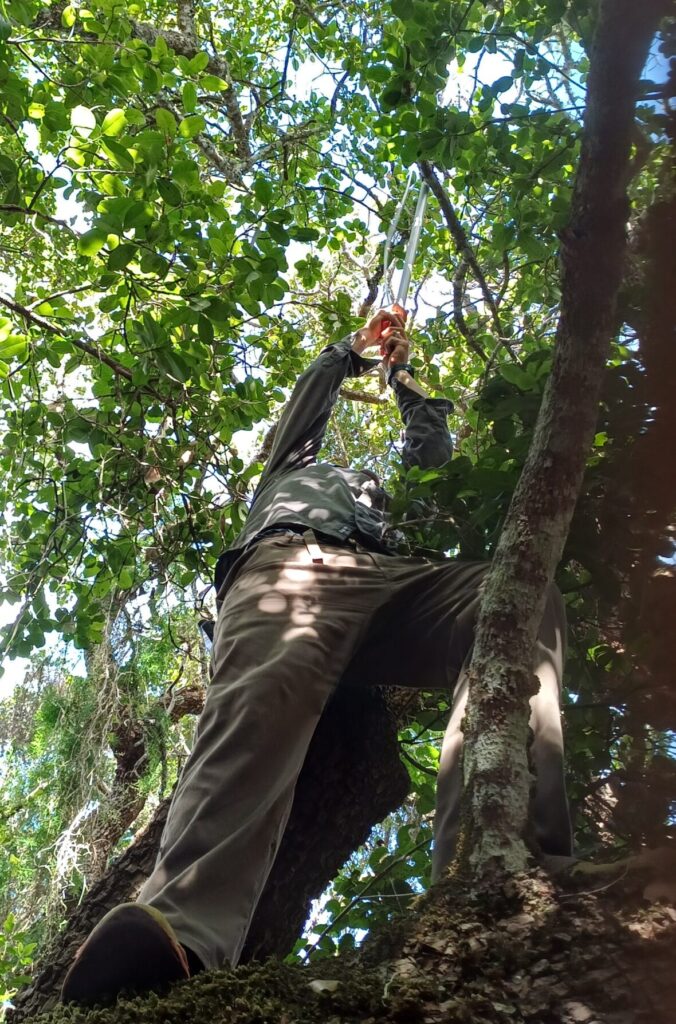
Prof Jasper Slingsby sampling canopy leaves
Unlike the colours we see with the naked eye, hyperspectral imaging captures hundreds of wavelengths of light, creating a unique "fingerprint" for every tree. These fingerprints can reveal subtle signs of health and stress long before they become visible. Combined with genetic information and airborne mapping, this approach will help identify forests that are most resilient, and those that may need greater conservation attention.
By supporting research like this, Grootbos Foundation is helping generate the knowledge needed to protect our unique coastal forests for generations to come.
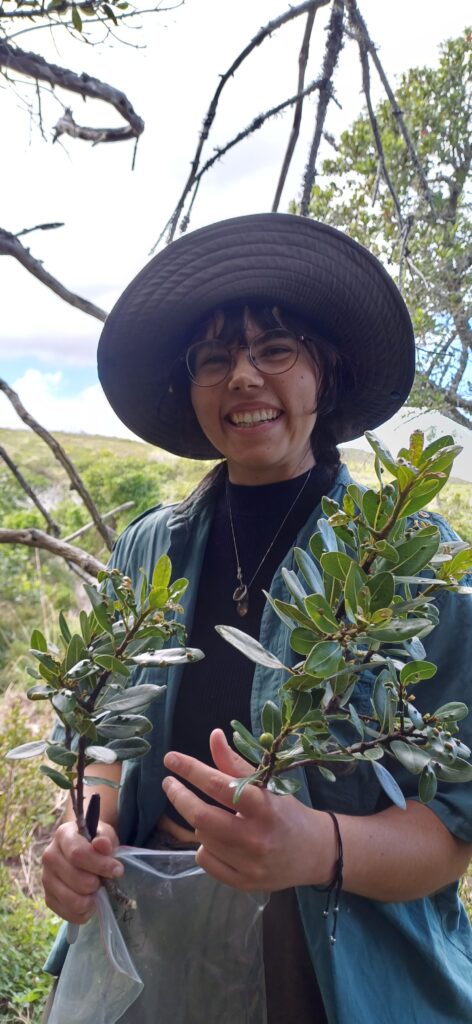
Tallulah Glasby
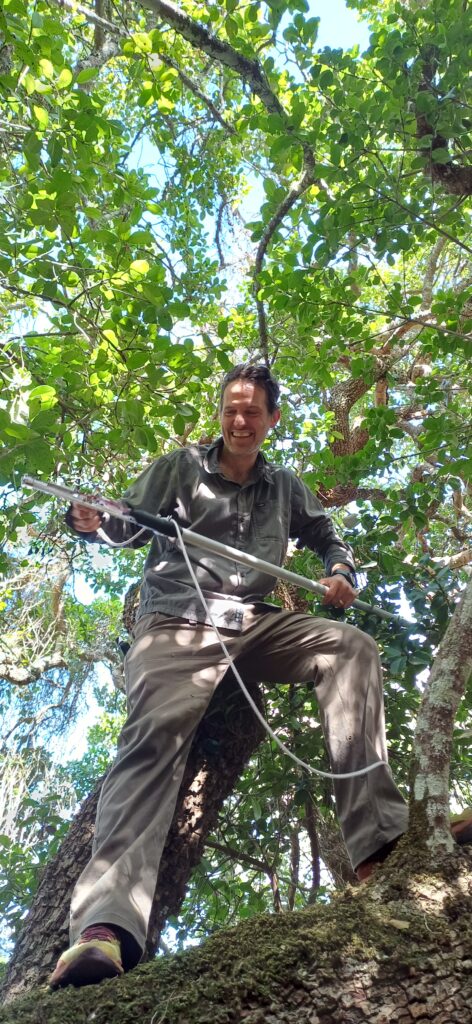
Prof Jasper Slingsby
